


About This Product:
Design and Aesthetics
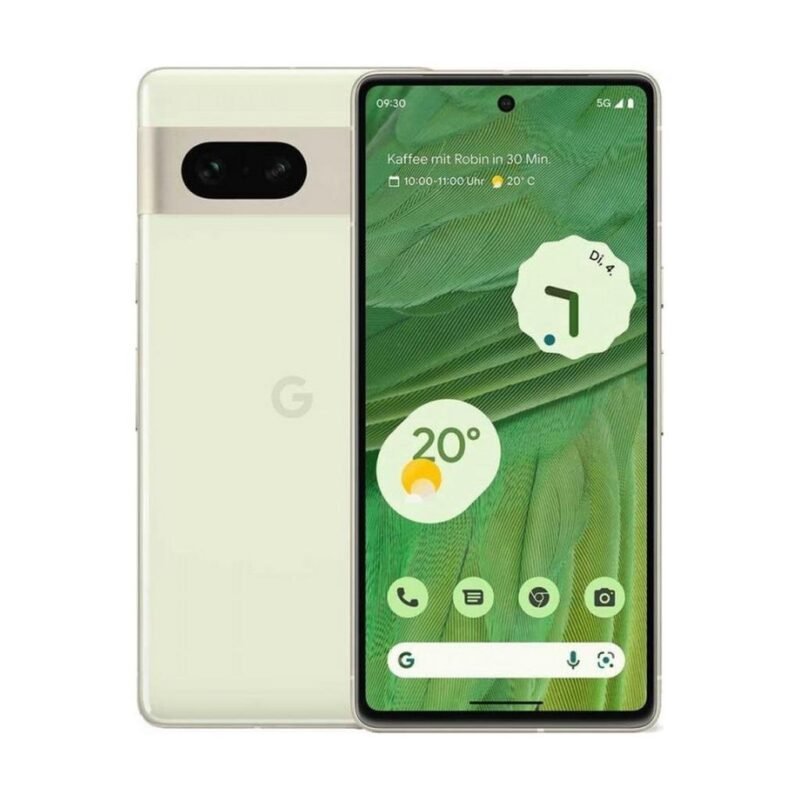
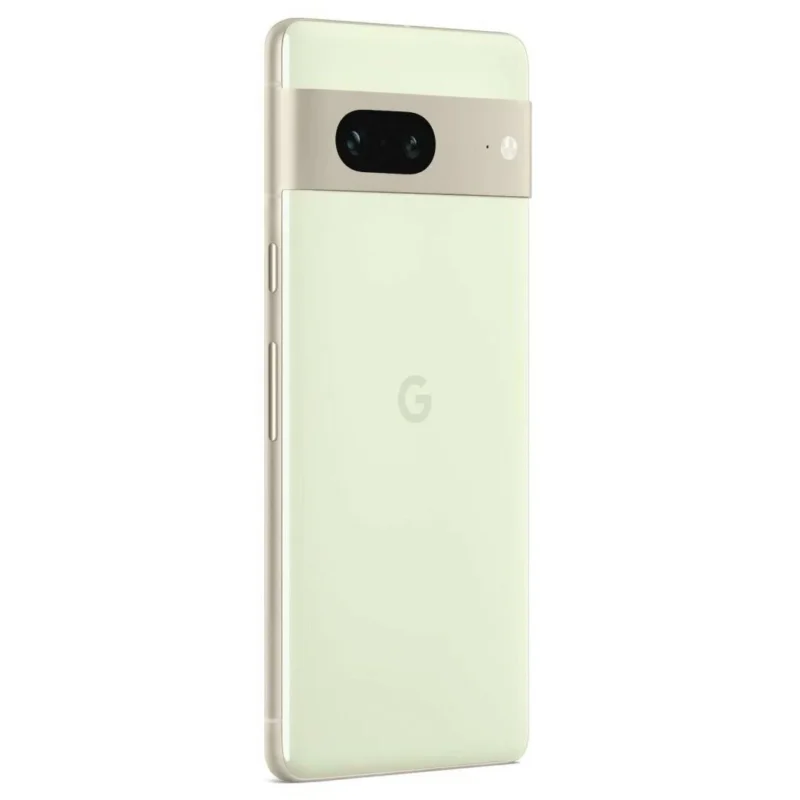
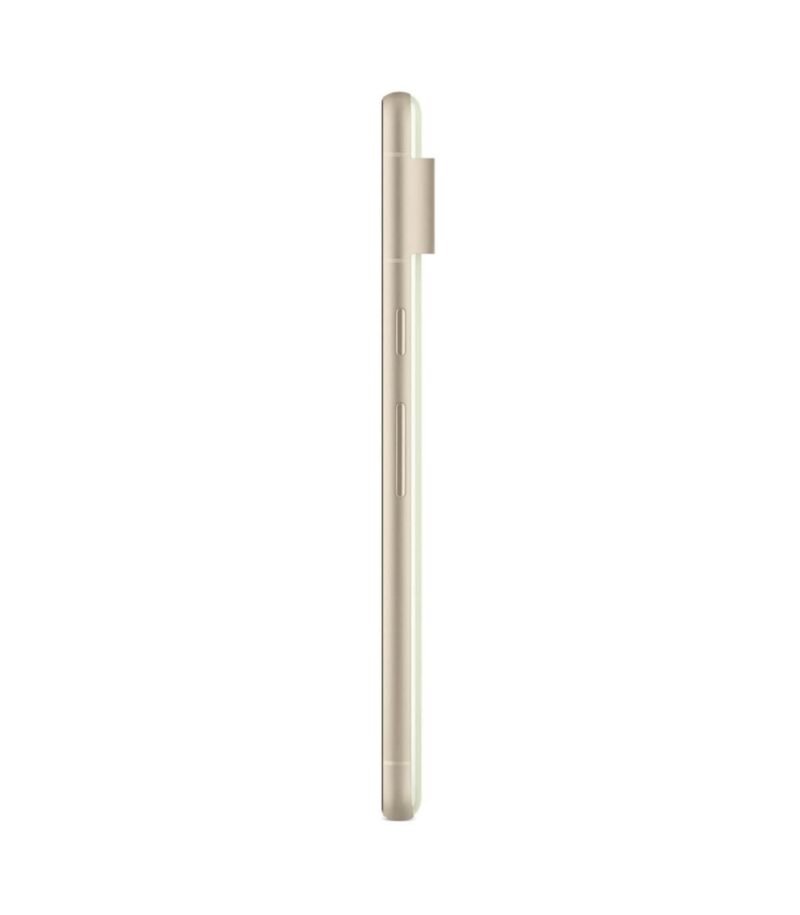
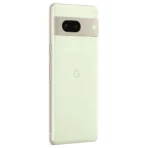
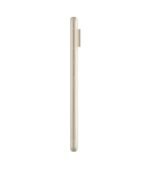
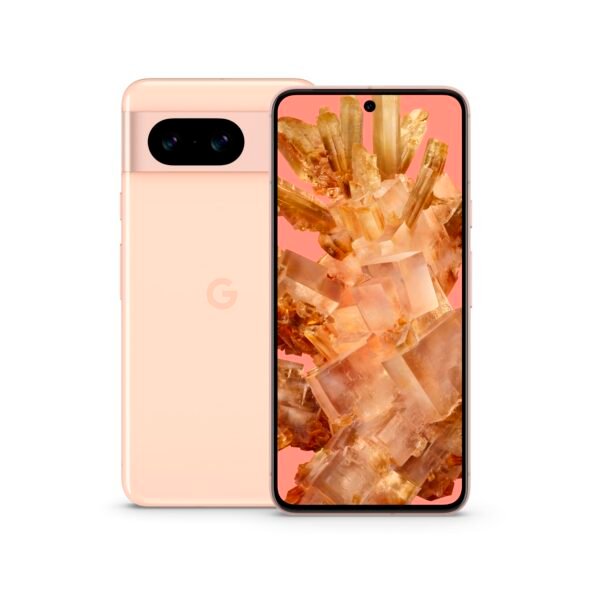
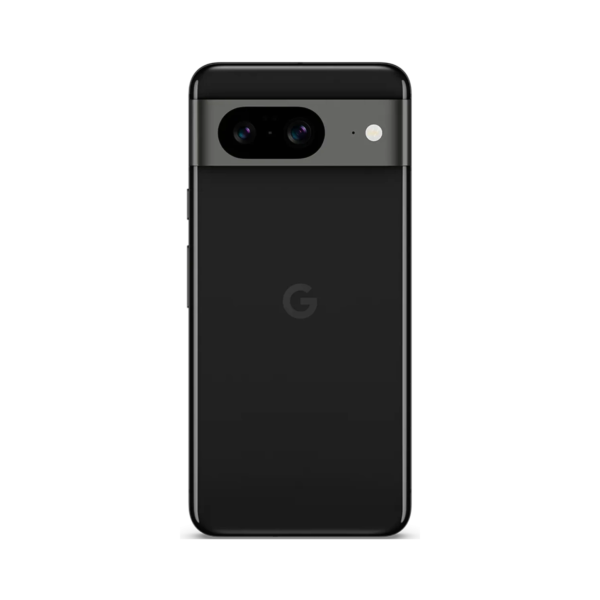
The Pixel 7 series continued Google’s distinctive design language, characterized by the prominent camera bar spanning the rear of the device. This design element, first introduced with the Pixel 6, serves both an aesthetic and functional purpose, housing the advanced camera sensors. The “Lemongrass” color variant offers a vibrant and somewhat unconventional aesthetic choice, distinguishing it from more traditional black, white, or silver finishes common in the smartphone market (The Oxford Dictionary of Color). The device typically features an aluminum frame and a glass back, often utilizing Corning Gorilla Glass Victus for enhanced durability against scratches and drops (Corning Gorilla Glass: A History of Innovation). The overall form factor is designed for ergonomic handling, balancing screen size with a comfortable grip.
Display Technology
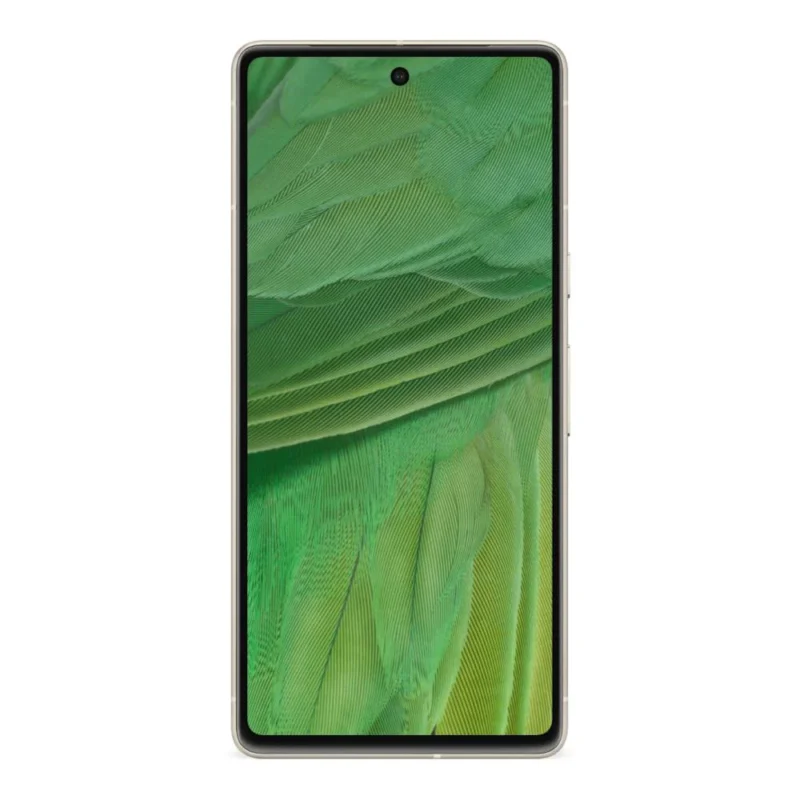
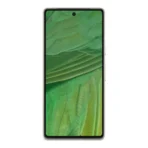
The Pixel 7 features a high-quality OLED (Organic Light-Emitting Diode) display. OLED technology is known for its ability to produce true blacks by individually illuminating pixels, resulting in high contrast ratios and vibrant colors (Display Technology: A Comprehensive Guide). The display typically offers a Full HD+ resolution, providing sharp and detailed visuals. A high refresh rate, often 90Hz or 120Hz, contributes to smoother scrolling, animations, and an overall more fluid user experience compared to standard 60Hz displays (The Science of Human Perception and Technology). The display also incorporates features like HDR (High Dynamic Range) support for enhanced dynamic range in compatible content and an in-display fingerprint sensor for secure biometric authentication.
Performance and System-on-a-Chip (SoC)
At the heart of the Google Pixel 7 is Google’s custom-designed Tensor G2 SoC. This second-generation Tensor chip is a key differentiator for Pixel devices, as it is specifically optimized for Google’s machine learning and artificial intelligence (AI) capabilities (Google Tensor: The Brains Behind the Pixel). The Tensor G2 integrates a multi-core CPU (Central Processing Unit), a powerful GPU (Graphics Processing Unit), and a dedicated Tensor Processing Unit (TPU). The TPU is crucial for accelerating AI workloads, such as advanced computational photography algorithms, real-time language processing (e.g., Live Translate, voice typing), and on-device machine learning tasks (Artificial Intelligence: A Modern Approach). The 128GB internal storage capacity provides ample space for applications, photos, videos, and other user data. While not expandable via microSD, this is a common characteristic of flagship smartphones. The device also includes a substantial amount of RAM (Random Access Memory) to facilitate smooth multitasking and application performance.
Camera System
The camera system is arguably the most celebrated feature of the Google Pixel line, and the Pixel 7 continues this tradition with significant advancements. It typically features a dual-camera setup on the rear: a high-resolution main wide-angle sensor and an ultrawide-angle sensor. The main sensor often boasts a large megapixel count and a relatively large sensor size, allowing it to capture more light and detail, especially in challenging lighting conditions (Digital Photography: A Comprehensive Guide). Key camera features and computational photography enhancements include:
- Super Res Zoom: Utilizes a combination of optical and computational techniques to achieve higher zoom levels with improved detail retention.
- Magic Eraser: An AI-powered tool that allows users to remove unwanted objects or people from photos seamlessly.
- Photo Unblur: Uses machine learning to sharpen blurry photos, even those not taken on a Pixel device.
- Real Tone: Aims to accurately represent diverse skin tones in photographs, a focus for Google’s camera development.
- Night Sight: Google’s renowned low-light photography mode, which captures multiple frames and stitches them together using computational algorithms to produce bright, detailed images in near darkness.
- Cinematic Blur/Video: Applies a shallow depth of field effect to videos, mimicking the look of professional cinema cameras.
The front-facing camera is also optimized for high-quality selfies and video calls, often incorporating features like wide-angle capabilities and advanced portrait modes.
Software and User Experience
The Google Pixel 7 runs on a “stock” or “pure” version of Android, meaning it is free from heavy manufacturer skins or bloatware often found on other Android devices (Android: A Programmer’s Guide). This provides a clean, intuitive, and fast user experience. Pixel devices are also known for receiving timely Android version updates and security patches directly from Google, ensuring users have access to the latest features and security enhancements. The integration of Google Assistant is deep, allowing for voice control and intelligent assistance across various tasks. Other software features include:
- At a Glance widget: Provides contextual information such as upcoming calendar events, weather, and package delivery updates.
- Now Playing: Identifies music playing in the environment automatically.
- Call Screen: Filters out spam calls and provides transcriptions of incoming calls.
- Live Translate: Offers real-time translation of conversations, text, and media.
Battery and Charging
The Pixel 7 is equipped with a battery designed to provide all-day usage for most users. It supports fast charging, allowing the device to quickly replenish its battery when connected to a compatible charger (Battery Technology Handbook). Wireless charging capabilities are also typically included, offering convenience and compatibility with Qi-standard wireless chargers. Reverse wireless charging (Battery Share) may also be present, allowing the Pixel 7 to wirelessly charge other Qi-compatible devices, such as earbuds or other smartphones.
Reviews
There are no reviews yet.