




About This Product:
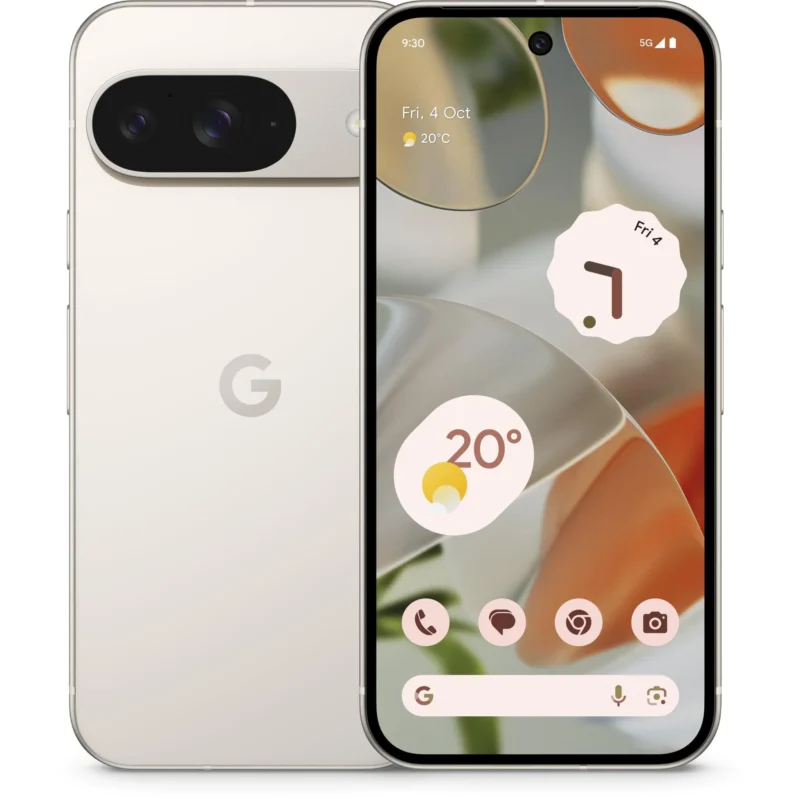
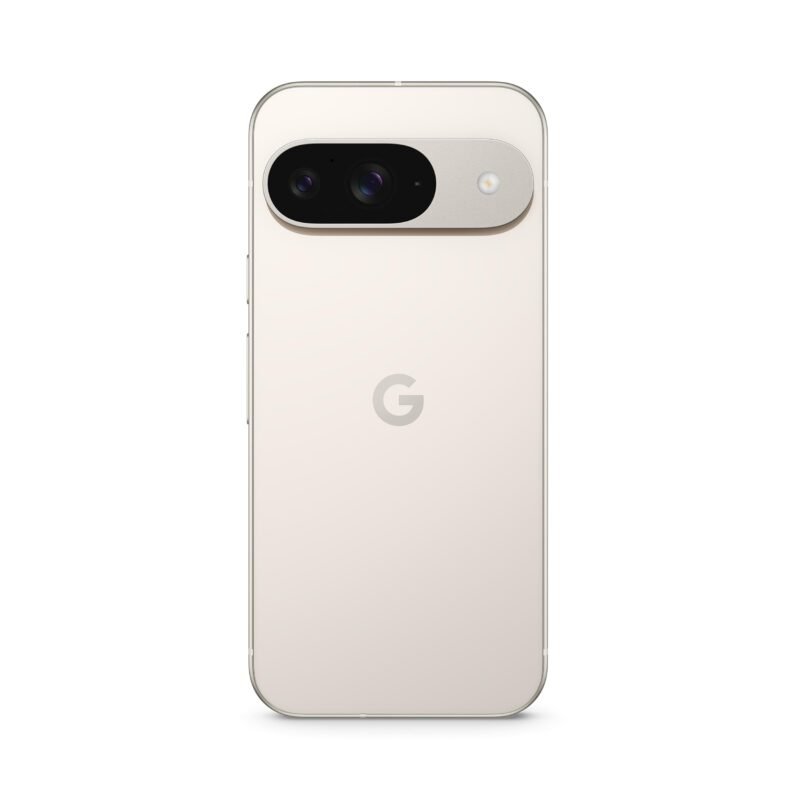
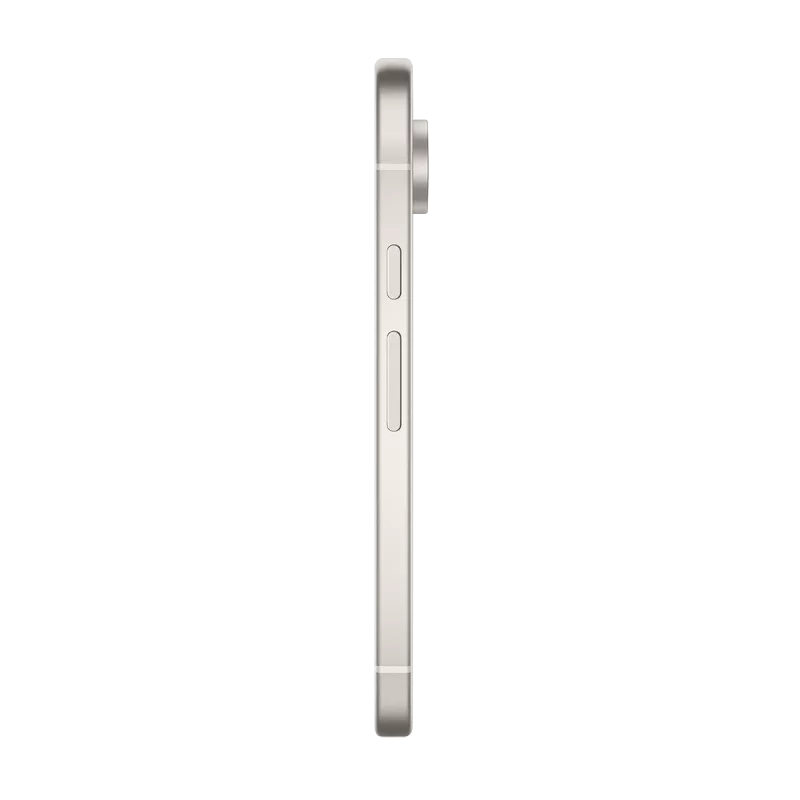
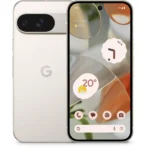
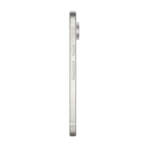
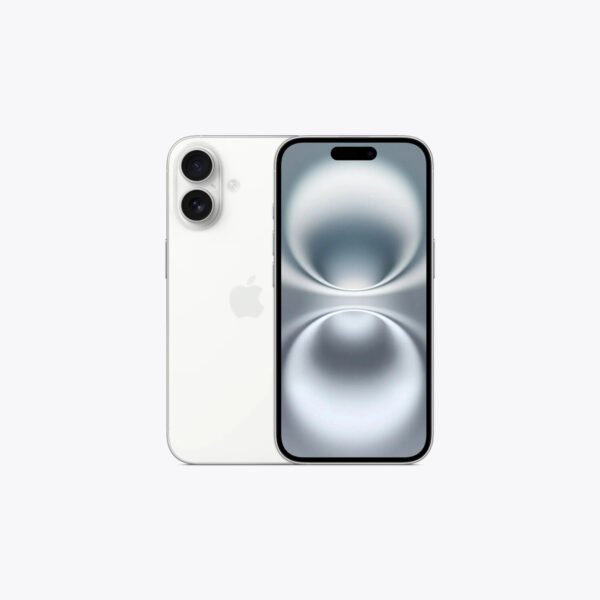
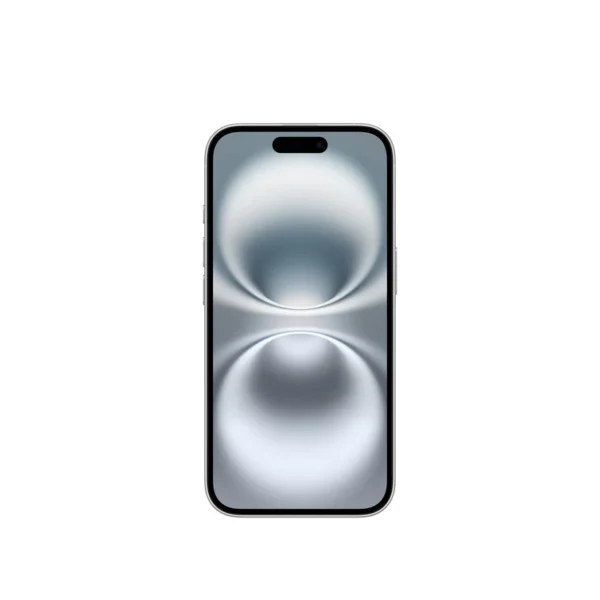
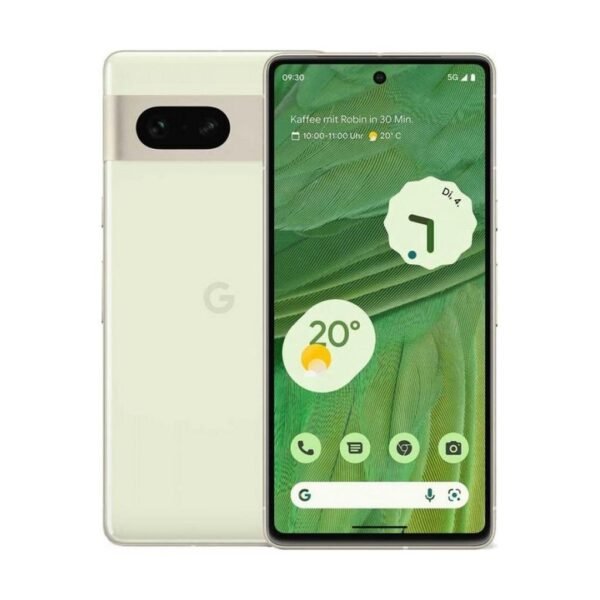
The Porcelain variant of the Google Pixel 9 is characterized by its sophisticated and understated color palette. Porcelain, as a material and a color, evokes a sense of classic elegance and purity, often associated with fine ceramics and delicate artistry . In the context of smartphone design, this translates to a subtle, off-white hue that is both visually appealing and resistant to showing fingerprints as readily as darker finishes. The device’s construction typically involves a combination of premium materials, such as an aluminum frame and a glass back, which contribute to its tactile quality and durability . The precise dimensions and weight are meticulously engineered to provide a comfortable in-hand feel, balancing screen size with ergonomic considerations. The camera bar, a distinctive design element of the Pixel series, is likely to be integrated seamlessly into the rear panel, potentially featuring a polished or contrasting finish to highlight the advanced optical components within .
Display Technology
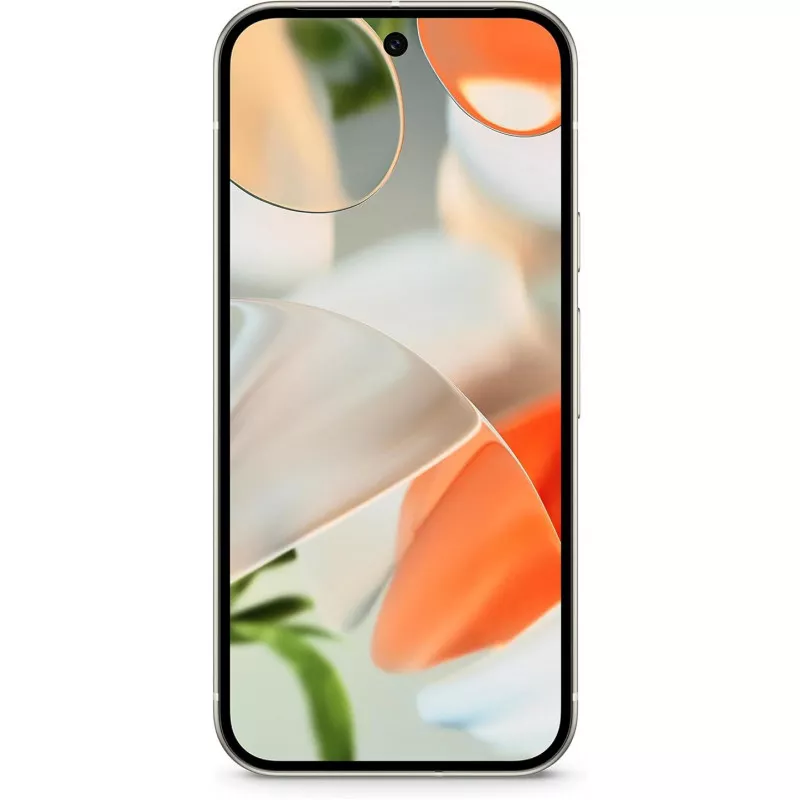
The Google Pixel 9 features a state-of-the-art display, crucial for an immersive user experience. It is expected to incorporate an OLED (Organic Light-Emitting Diode) panel, known for its ability to produce true blacks, vibrant colors, and excellent contrast ratios (Encyclopedia of Electronic Displays). Unlike LCDs, OLED pixels emit their own light, allowing for individual pixel control and thus perfect black levels when pixels are turned off. The resolution will be high, likely exceeding Full HD+ (1080p) and potentially reaching Quad HD+ (1440p), ensuring crisp text and detailed imagery. The refresh rate is a critical specification, with modern flagship smartphones typically offering 90Hz or 120Hz adaptive refresh rates. An adaptive refresh rate dynamically adjusts the screen’s refresh speed based on the content being displayed, conserving battery life while providing smooth scrolling and fluid animations when needed . The display will also be protected by a durable glass, such as Corning Gorilla Glass, offering enhanced scratch and shatter resistance .
Performance and Processing Power
At the heart of the Google Pixel 9 lies Google’s custom-designed Tensor chip. This System-on-a-Chip (SoC) is specifically optimized for machine learning and artificial intelligence tasks, which are integral to the Pixel experience (Artificial Intelligence: A Modern Approach). The Tensor chip integrates a powerful CPU (Central Processing Unit) for general computing tasks, a robust GPU (Graphics Processing Unit) for rendering graphics, and a dedicated NPU (Neural Processing Unit) for AI workloads. This architecture allows the Pixel 9 to excel in areas such as real-time language translation, advanced computational photography, and efficient voice recognition. The 128GB internal storage, while not expandable via microSD card, provides ample space for applications, photos, videos, and other data for the average user. The operating system, Android, is deeply integrated with the Tensor chip, ensuring a highly optimized and responsive user interface (Operating Systems: Internals and Design Principles).
Camera System
The camera system is a cornerstone of the Google Pixel series, and the Pixel 9 is no exception. Google’s approach to photography heavily relies on computational photography, where software algorithms play a crucial role in enhancing image quality beyond what the optical hardware alone can achieve. The Pixel 9 is expected to feature multiple rear cameras, typically including a main wide-angle sensor, an ultrawide-angle sensor, and potentially a telephoto lens for optical zoom. Key features will include:
- Night Sight: An advanced low-light photography mode that captures multiple frames and stitches them together to produce bright, detailed images in challenging lighting conditions.
- Magic Eraser: An AI-powered tool that allows users to remove unwanted objects or distractions from photos.
- Photo Unblur: A feature that uses machine learning to sharpen blurry images.
- Real Tone: Ensures accurate and inclusive representation of diverse skin tones in photographs.
- Video Capabilities: High-resolution video recording, potentially up to 4K at 60 frames per second, with advanced stabilization technologies.
The front-facing camera will also be optimized for high-quality selfies and video calls, leveraging the same computational photography principles.
Battery and Charging
The Google Pixel 9 will house a substantial battery designed to provide all-day power. The exact capacity, measured in milliampere-hours (mAh), will be carefully balanced with the device’s form factor and power consumption of its components. Fast charging capabilities are standard in modern flagship smartphones, allowing for a significant charge in a short amount of time. Wireless charging, adhering to the Qi standard, is also expected, offering convenient cable-free power replenishment. Battery optimization features within Android, coupled with the power efficiency of the Tensor chip, will further extend the device’s endurance.



Reviews
There are no reviews yet.